Skip Your Daily $5 Coffee to Create Wealth
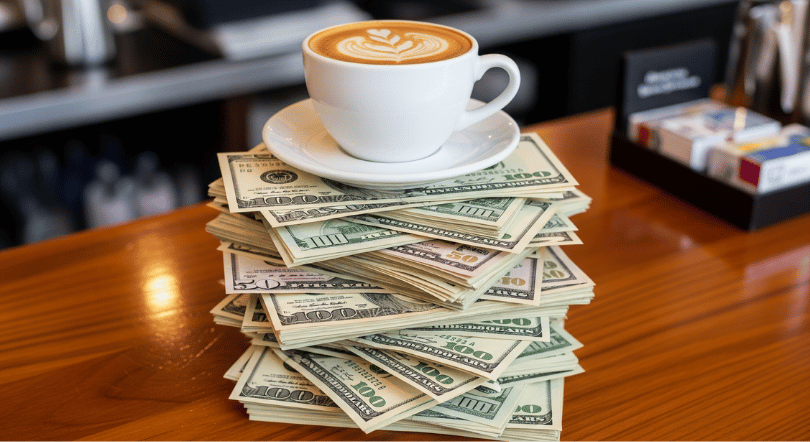
Coffee is a large part of our lives, universally so. People and cultures worldwide partake in this longstanding pastime of consuming their daily dose of caffeine hit, often multiple times a day. For many of us it's our daily ritual, something we look forward to. It helps us to get going and start our day. It often is a short mental break from work as well as a way to connect with friends or colleagues.
Our Purchasing Habits
A survey from Drive Research indicates that 8% of Americans buy coffee from a shop every day, and a further 27% buy it a few times a week.
In the UK, the British Coffee Association reports that a staggering 80% of people who visit coffee shops do so at least once a week, with 16% visiting daily.
The National Coffee Association (NCA) has reported that "away from home" coffee consumption has rebounded to pre-pandemic levels. The most recent data from the NCA shows that 36% of respondents had coffee away from home on the previous day. This is a significant figure and shows that buying coffee is a widespread habit.
The Opportunity Cost
So what if you were to cut back on "out of home" coffee expenditure and look at the impact on your savings both annually and a much longer term.
Using an average cost of $5 a cup adds up to approximately $1,825 per year.
- Saving: Simply saving the $1,825 per year could result in $18,250 over a decade, without any interest.
- Investing: This is where the magic of compounding comes in. If that same $1,825 were invested annually in an index fund with an average annual return of 8%, the numbers would look much more impressive.
- Paying Down Debt: Another powerful example is applying the savings to high-interest debt, like a credit card or a personal loan.
Example 1: Saving
Simply saving the $1,825 per year could result in $18,250 over a decade, without any interest. If you were to save this money in a high yield savings account at a 3% annual interest rate, with monthly compounding, your balance would turn into $21,183, given you an additional $3,025 in interest income. Expanding that out to 20 years nets you $13,414 in interest, with savings totalling almost $50,000.
| Period | Savings | Interest | Total |
|---|---|---|---|
| 1 Year | $ 1,825 | $ 28 | $ 1,853 |
| 5 Years | $ 9,130 | $ 719 | $ 9,849 |
| 10 Years | $ 18,260 | $ 3,025 | $ 21,285 |
| 20 Years | $ 36,525 | $ 13,414 | $ 49,939 |
Example 2: Investing
Given the average return of S&P 500 index of 10.33% since 1957, we can conservatively estimate that investing our coffee savings would return at least 8% of an extended period of time.
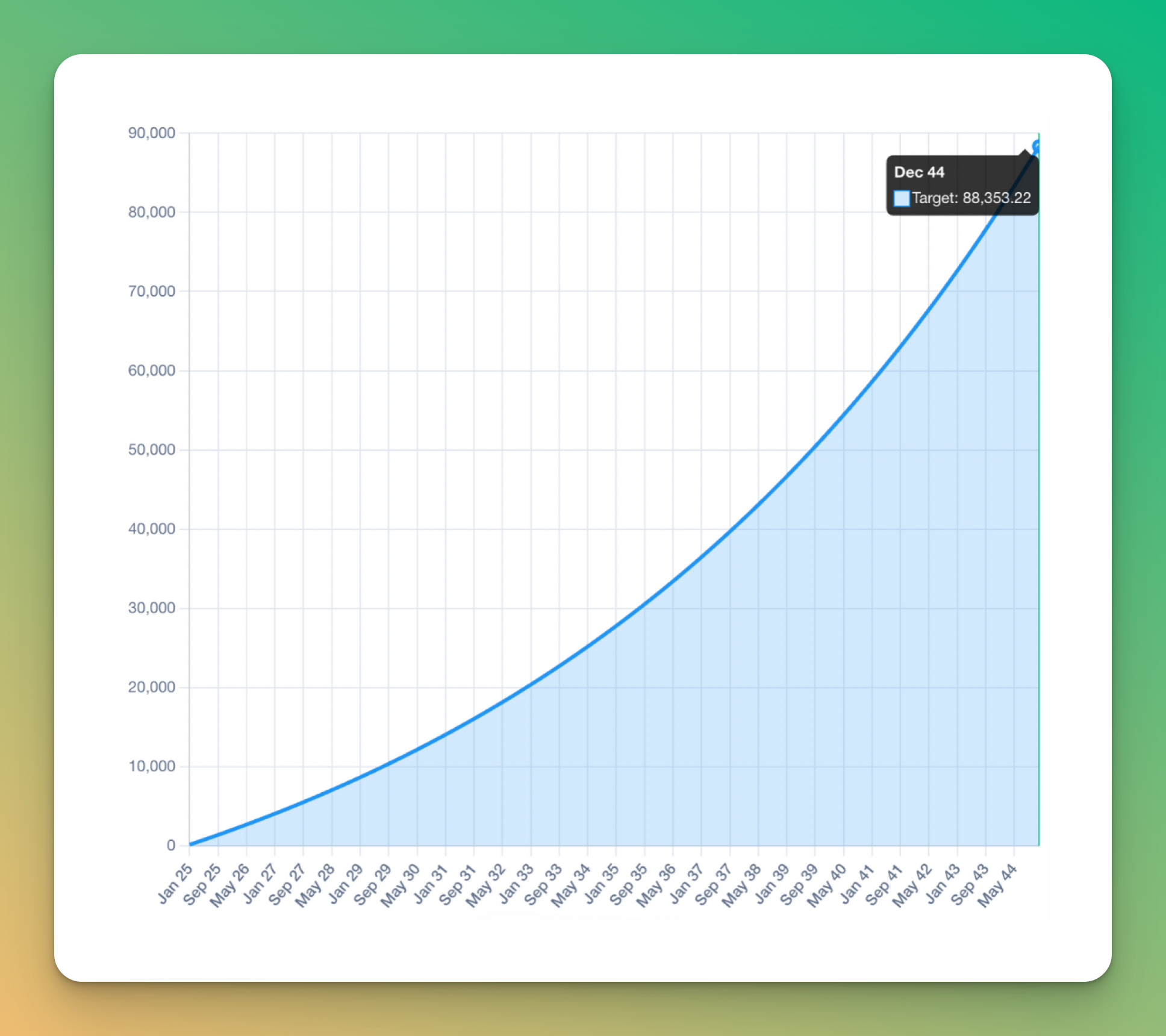
Therefore, a monthly savings of $150 per month over 20 years would return growth of over $52,000, with a total value exceeding $88,000. At a 10% expected return, your investment value would be close to $114,000.
Example 3: Paying Down Debt
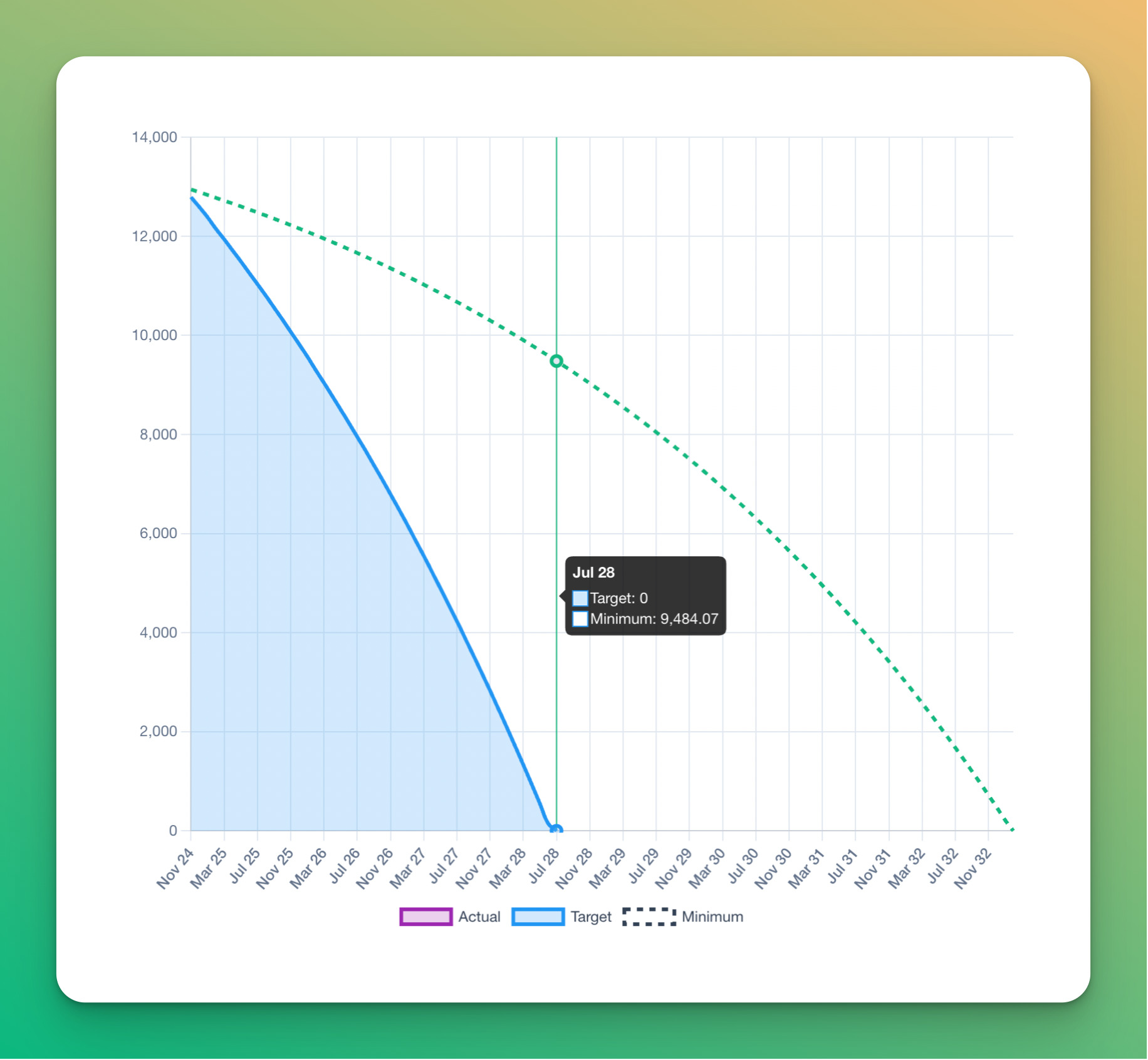
Taking the example of a credit card debt and using a balance of $13,000 at 19% interest with a minimum repayment amount of $260 (banks generally require you to pay around 2% - 2.5% of your closing balance). It would take you approximately 8 years to pay off your debt.
If you were to skip the daily coffee and put that $5 (~$150 per month) towards this debt, you would pay off this debt 4.5 years faster, saving you a whopping $7,760 in interest charges.
Life’s Little Pleasures
Clearly there is significant benefit from ditching the daily coffee, particularly if it's one bought away from home. A consistent approach to saving that spend and funnelling into a savings, investment or a debt will reap huge benefits in the long run.
There's also much to be said about enjoying life's little pleasures, particular one that might help to get you through a difficult workday or provide a reason to get together with a friend.
At the end of the day, the choice is yours. Only you will know your financial situation and whether you're on track to meet your long-term financial goals. It's important to set clear goals and measure progress again these regularly. Always keep an eye on your spending, and be aware of how these small regular decisions can make a large impact over time.
Want to analyse and run these calculations yourself?
Access and download our workbook here.


Comments ()